
Gallstones Treatment in Jabalpur
- Home
- Gallstones Treatment
Gallstones are a common digestive condition that affects many adults. These small, hardened deposits form inside the gallbladder and may remain silent for a long time. However, when gallstones block the bile ducts, they can cause severe abdominal pain and digestive discomfort.
Many people first notice symptoms such as sudden pain in the upper abdomen after eating fatty food, nausea, or a feeling of heaviness. These symptoms should not be ignored because untreated gallstones can lead to complications such as infection or inflammation of the gallbladder.
At Surgicare Clinic, patients receive expert Gallstones Treatment in Jabalpur under the care of Dr. Sanjiv Warkhede, a highly experienced Colorectal & Laparoscopic Surgeon with more than 20 years of surgical experience. Using modern techniques such as Laparoscopic Gallbladder Surgery in Jabalpur, patients can receive safe and effective treatment with faster recovery and minimal discomfort.
Understanding Gallstones
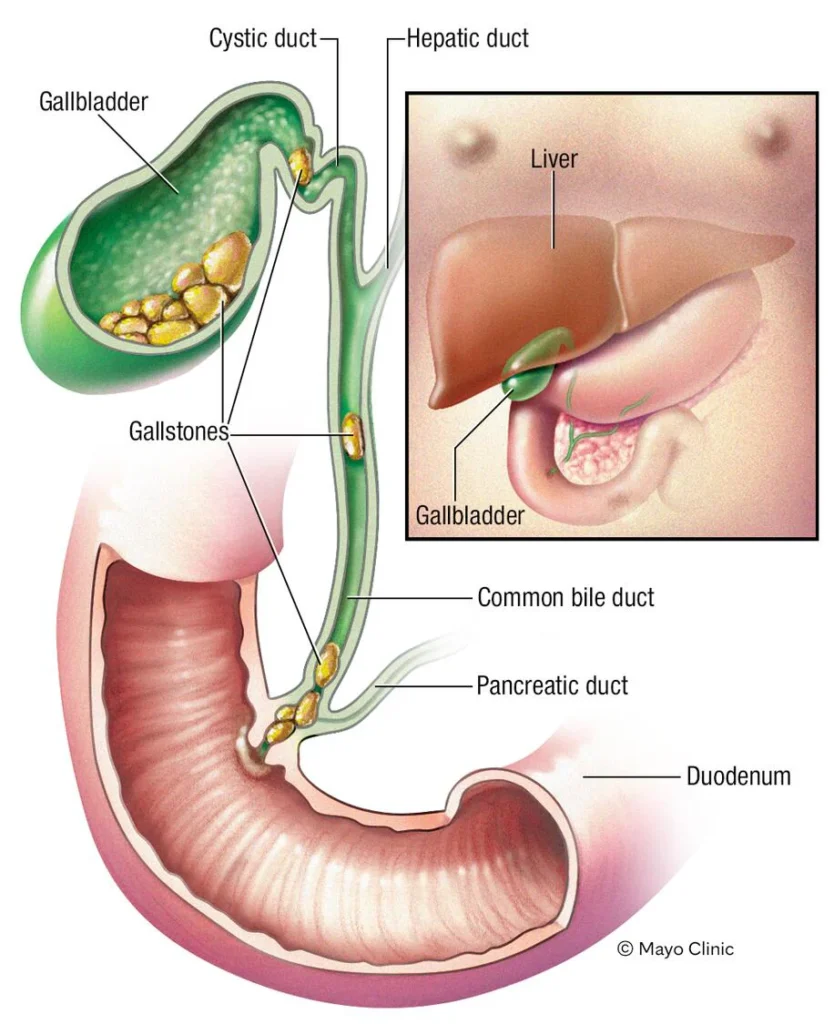
The gallbladder is a small organ located just below the liver. Its main function is to store bile, a digestive fluid produced by the liver that helps break down fats in the food we eat.
Gallstones form when substances in bile, such as cholesterol or bilirubin, become concentrated and harden into small stone-like deposits. These stones can vary in size, from tiny grains of sand to larger stones.
Some people may have gallstones without symptoms. However, problems usually occur when the stones block the bile ducts. This blockage can cause intense pain and digestive problems.
Patients experiencing symptoms can seek Gallstones Treatment in Jabalpur at Surgicare Clinic, where Dr. Sanjiv Warkhede carefully evaluates the condition and recommends the most appropriate treatment.
Types of Gallstones
Gallstones are generally classified into two main types based on their composition.
Cholesterol Gallstones
Cholesterol gallstones are the most common type. They form when bile contains too much cholesterol and not enough bile salts to dissolve it. These stones are usually yellow or green in color and may vary in size.
Pigment Gallstones
Pigment gallstones are smaller and darker in color. They form when bile contains excessive amounts of bilirubin, a substance produced when red blood cells break down.
Certain medical conditions, infections, or liver diseases can increase the risk of pigment stones.
Regardless of the type, timely Gallbladder Stone Treatment in Jabalpur helps prevent complications and relieve symptoms.
Because each type of piles behaves differently, consulting a Piles Specialist in Jabalpur like Dr. Sanjiv Warkhede helps ensure accurate diagnosis and appropriate treatment.
Common Symptoms of Gallstones
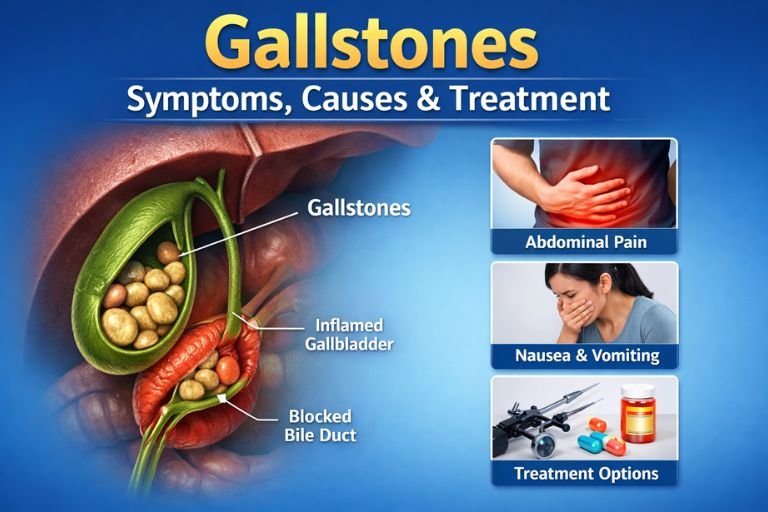
Many people with gallstones may not experience symptoms initially. However, when the stones block the bile duct, symptoms may appear suddenly and can be severe.
Common symptoms include:
• Severe pain in the upper right abdomen
• Pain after eating fatty meals
• Nausea and vomiting
• Indigestion or bloating
• Pain that spreads to the back or right shoulder
This pain, often called a gallbladder attack, may last from a few minutes to several hours.
If symptoms occur frequently, consulting a Gallstones Doctor in Jabalpur is important to prevent complications.
At Surgicare Clinic, Dr. Sanjiv Warkhede provides advanced Gallstones Treatment in Jabalpur based on the patient’s condition.
Causes and Risk Factors of Gallstones
Several factors may increase the risk of developing gallstones.
High Cholesterol Levels
When bile contains excessive cholesterol, it may form crystals that gradually develop into gallstones.
Obesity
People with higher body weight are more likely to develop gallstones.
Rapid Weight Loss
Quick weight loss can disrupt bile balance and lead to stone formation.
Family History
Genetics may increase the risk of gallstones in some individuals.
Pregnancy
Hormonal changes during pregnancy can increase the likelihood of gallstones.
Certain Medical Conditions
Diseases affecting the liver or blood cells may also contribute to gallstone formation.
Patients experiencing these risk factors should seek Gallstones Treatment in Jabalpur if symptoms appear.

When Should You Consult a Gallbladder Specialist?
Many people ignore early symptoms of gallstones, thinking they are simple digestive problems. However, persistent symptoms should be evaluated by a specialist.
You should consult a Gallbladder Specialist in Jabalpur if you experience:
• Repeated abdominal pain after meals
• Severe pain in the upper right abdomen
• Persistent nausea or vomiting
• Fever associated with abdominal pain
• Yellowing of the skin or eyes
Early consultation with Dr. Sanjiv Warkhede helps ensure timely Gallstones Treatment in Jabalpur and prevents complications.
Diagnosis of Gallstones
Accurate diagnosis is essential to confirm the presence of gallstones and determine the appropriate treatment.
At Surgicare Clinic, Dr. Sanjiv Warkhede uses modern diagnostic techniques to evaluate the condition.
At Surgicare Clinic, Dr. Sanjiv Warkhede uses modern diagnostic techniques to evaluate the condition.
Physical Examination
The doctor examines the abdomen and reviews the patient’s symptoms.
Ultrasound Scan
Ultrasound is the most common imaging test used to detect gallstones.
Blood Tests
Blood tests help identify infection or inflammation related to gallbladder problems.
CT Scan
In certain cases, CT scans may be recommended for detailed imaging.
These tests help confirm the presence and size of gallstones and guide Gallbladder Stone Treatment in Jabalpur.
Frequent Asked Question's
Early symptoms of gallstones include pain in the upper right abdomen, nausea after meals, and bloating. Some patients may also experience pain that spreads to the back or shoulder. If these symptoms occur frequently, seeking Gallstones Treatment in Jabalpur is recommended.
Yes, Laparoscopic Gallbladder Surgery in Jabalpur is considered a safe and effective treatment for gallstones. It involves small incisions and advanced instruments, which help reduce pain and speed up recovery.
Most gallbladder surgeries usually take about 45 minutes to one hour. Patients undergoing Gallstones Treatment in Jabalpur are often discharged within the same day or after short observation.
Recovery after Gallstones Treatment in Jabalpur depends on the type of surgery. Patients undergoing laparoscopic procedures often return to normal activities within one to two weeks.
Many patients trust Dr. Sanjiv Warkhede for Gallbladder Stone Treatment in Jabalpur because of his 20+ years of experience and expertise in laparoscopic surgery at Surgicare Clinic.