
Pilonidal Sinus Treatment in Jabalpur
Pilonidal sinus is a painful condition that develops near the tailbone, usually in the crease between the buttocks. It often begins as a small infection under the skin and may gradually develop into a sinus tract that causes swelling, pain, and discharge. Many people initially ignore the symptoms, assuming it is a minor skin problem. However, without proper treatment, the infection can worsen and cause repeated discomfort.
At Surgicare Clinic, patients receive specialized Pilonidal Sinus Treatment in Jabalpur under the care of Dr. Sanjiv Warkhede, an experienced Colorectal & Laparoscopic Surgeon with more than 20 years of surgical expertise. With modern techniques such as Laser Pilonidal Sinus Treatment in Jabalpur, patients can receive safe and effective treatment with faster recovery and minimal discomfort.
If you notice persistent pain or swelling near the tailbone, early medical care can prevent complications and help you recover comfortably.
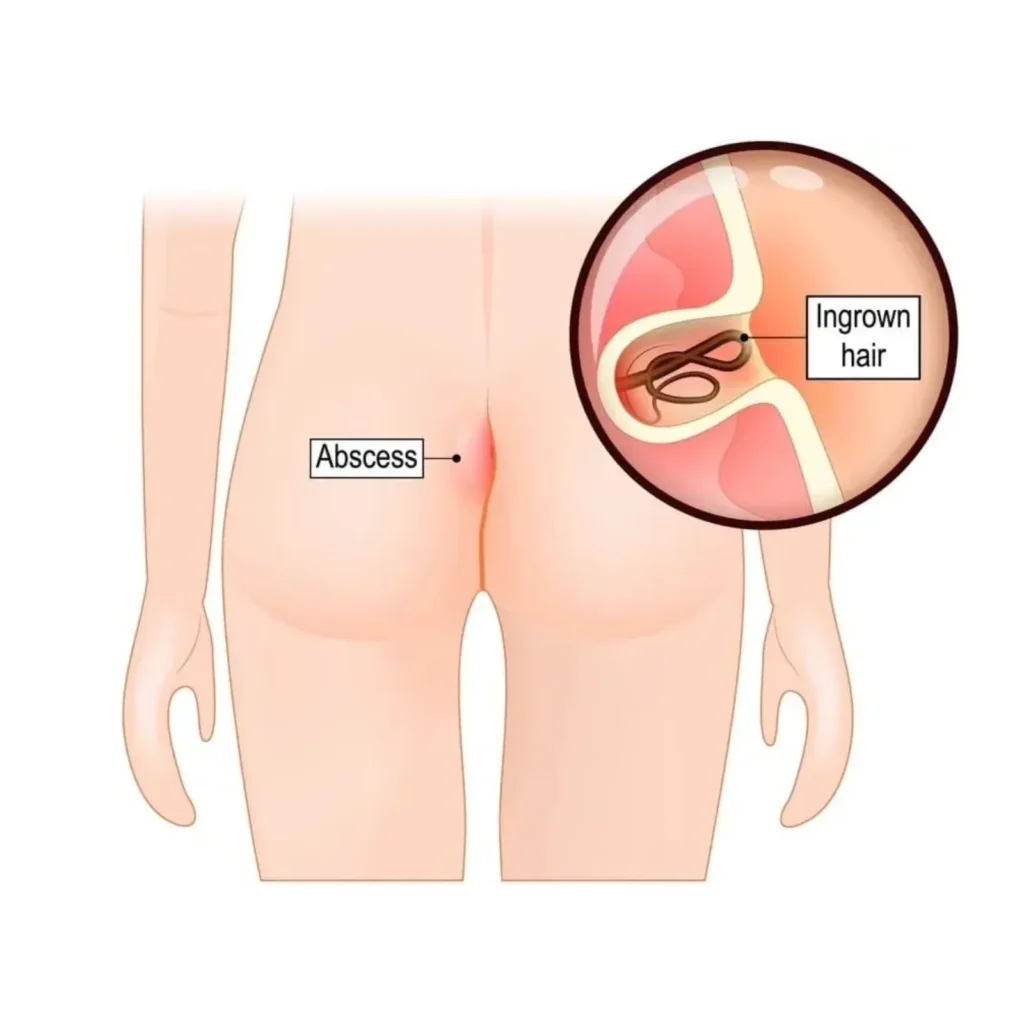
Understanding Pilonidal Sinus
A pilonidal sinus is a small tunnel or cavity that forms beneath the skin near the tailbone, just above the buttocks. The condition usually develops when hair and debris become trapped under the skin and trigger an infection.
Over time, the infected area may fill with pus and form a small abscess. When the abscess drains, it may leave behind a sinus tract that continues to collect hair and bacteria. This leads to repeated infection, swelling, and discharge.
Many patients seeking Pilonidal Sinus Treatment in Jabalpur report recurring episodes of pain and pus discharge from the affected area. Although the condition may temporarily improve after drainage, it often returns unless the underlying sinus is treated.
At Surgicare Clinic, Dr. Sanjiv Warkhede carefully evaluates each patient and recommends the most appropriate treatment based on the severity of the condition.
Causes of Pilonidal Sinus
Pilonidal sinus usually develops due to hair penetration and infection beneath the skin. Several factors contribute to the development of this condition.
Ingrown Hair
Loose or broken hair can penetrate the skin and trigger an inflammatory reaction, leading to infection and sinus formation.
Prolonged Sitting
People who sit for long hours may experience increased pressure and friction in the tailbone region, which can promote the formation of pilonidal sinus.
Excess Body Hair
Individuals with thick body hair are more likely to develop hair accumulation in the natal cleft area.
Poor Hygiene
Poor hygiene can increase bacterial growth around the tailbone, raising the risk of infection.
Patients seeking Pilonidal Sinus Treatment in Jabalpur often have a combination of these contributing factors.
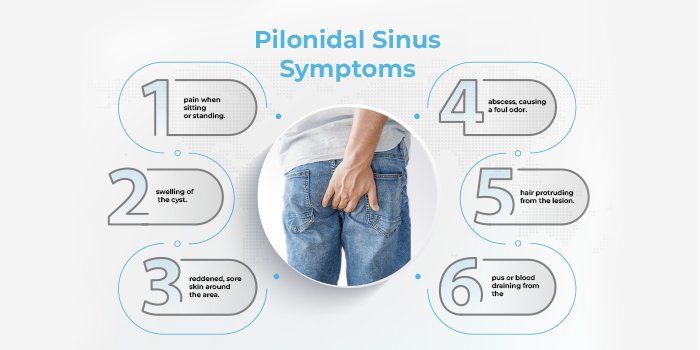
Common Symptoms of Pilonidal Sinus
The symptoms of pilonidal sinus may start mildly but can become severe if the infection spreads. Many patients first notice discomfort while sitting or tenderness near the lower back.
Common symptoms include:
• Pain or swelling near the tailbone
• Redness and tenderness in the affected area
• Pus or blood discharge from a small opening
• Foul-smelling drainage
• Difficulty sitting comfortably
• Recurrent infection or abscess formation
Sometimes, patients may also experience fever if the infection becomes severe.
If these symptoms persist, it is important to consult a Pilonidal Sinus Doctor in Jabalpur for proper evaluation and treatment.
Risk Factors for Pilonidal Sinus
Although anyone can develop pilonidal sinus, certain factors increase the likelihood of the condition.
Sedentary Lifestyle
People who spend long hours sitting are more prone to developing pilonidal sinus.
Obesity
Excess body weight can increase pressure in the tailbone region and contribute to hair penetration.
Excessive Sweating
Sweating may soften the skin and make it easier for hair to penetrate.
Family History
Some individuals may have a genetic predisposition to pilonidal sinus.
Patients experiencing these risk factors should consult a Pilonidal Sinus Specialist in Jabalpur if symptoms appear.

When Should You Consult a Pilonidal Sinus Specialist?
Many patients delay treatment because they believe the infection will heal on its own. However, pilonidal sinus often becomes a recurring problem if left untreated.
You should consult a Pilonidal Sinus Specialist in Jabalpur if you experience:
• Persistent pain near the tailbone
• Repeated swelling or abscess formation
• Continuous discharge of pus or blood
• Difficulty sitting due to pain
• Recurrent infection in the same area
Early consultation with Dr. Sanjiv Warkhede helps ensure timely Pilonidal Sinus Treatment in Jabalpur before the condition becomes more severe.
Diagnosis of Pilonidal Sinus
Diagnosing pilonidal sinus is usually straightforward. At Surgicare Clinic, Dr. Sanjiv Warkhede performs a thorough examination to confirm the condition and determine the severity of infection.
Physical Examination
The doctor examines the tailbone region to identify swelling, redness, or sinus openings.
Assessment of Sinus Openings
Small openings on the skin may indicate the presence of a sinus tract beneath the surface.
Evaluation of Infection Severity
The doctor also checks for abscess formation or multiple sinus tracts that may require surgical treatment.
Accurate diagnosis helps determine the most appropriate Pilonidal Sinus Treatment in Jabalpur.
Frequent Asked Question's
Pilonidal sinus usually develops when hair penetrates the skin near the tailbone and causes infection. Factors such as prolonged sitting, excessive body hair, and friction can increase the risk. Patients experiencing symptoms should seek Pilonidal Sinus Treatment in Jabalpur for proper diagnosis and care.
Yes, laser treatment is considered an effective and modern solution for pilonidal sinus. It removes the infected sinus tract with minimal tissue damage and allows faster recovery. Many patients prefer Laser Pilonidal Sinus Treatment in Jabalpur for these advantages.
The duration of Pilonidal Sinus Surgery in Jabalpur usually ranges from 30 to 60 minutes depending on the complexity of the sinus. Most patients are discharged the same day after the procedure.
Recovery time depends on the type of surgery performed. Patients undergoing Pilonidal Sinus Treatment in Jabalpur with laser procedures often recover within a few days and can gradually resume normal activities.
Many patients trust Dr. Sanjiv Warkhede for Pilonidal Sinus Treatment in Jabalpur because of his 20+ years of surgical experience and specialization in colorectal surgery at Surgicare Clinic.